

Mobile app development
for products people keep using
Fast, reliable iOS + Android builds with clear milestones, clean code, and a launch plan.
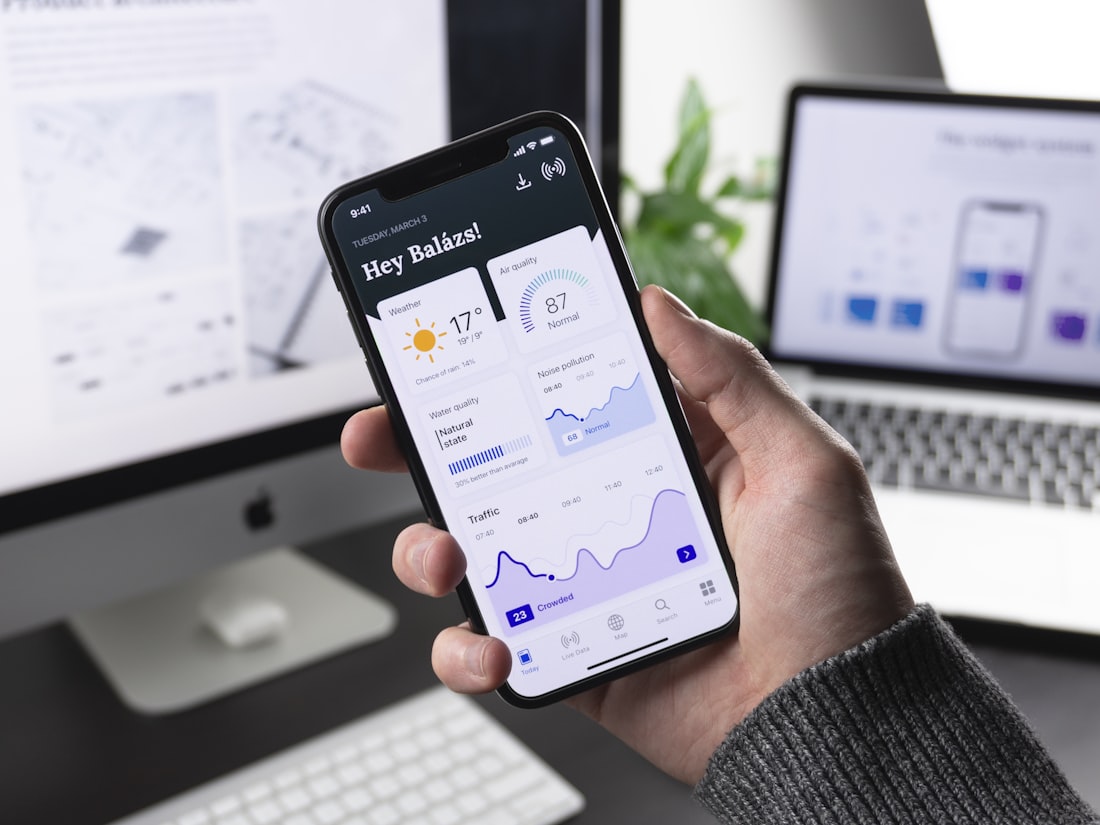
What we build
What we build
- Native iOS (Swift, SwiftUI)
- Native Android (Kotlin, Jetpack Compose)
- Cross-platform apps (React Native, Flutter)
- Internal tools and enterprise apps
What you get
- Modern UX that feels native
- Secure APIs and scalable backends
- Transparent delivery with weekly updates
- Store submission and launch support
Why mobile still wins
Mobile remains the primary interface between your product and your customers.
We can modernize UI, improve performance, and fix crash rates before adding new features.
Native vs cross-platform
Choose the right approach based on performance, device requirements, timeline, and budget.
Native development
Best for
- Performance-critical apps
- Deep device integrations
- Complex UI and animations
Pros
- Best performance and UX
- Full access to platform features
- Strong long-term stability
Tradeoffs
- Two codebases
- Higher cost and timeline
Cross-platform (React Native / Flutter)
Best for
- MVPs and fast launches
- Budget-conscious builds
- Multi-platform feature parity
Pros
- One codebase for iOS + Android
- Faster iterations
- Easier maintenance
Tradeoffs
- Some advanced features need native work
- Performance tuning may be required
Recommendation
Start cross-platform for most MVPs. Go native when performance, heavy animations, or device-level features are central to the product.
Mobile app services
Native iOS, native Android, and cross-platform — shipped with a practical launch plan.
iOS app development
High-quality iOS apps built with Apple-first best practices.
Tech stack
- Swift, SwiftUI, UIKit
- Core Data / Realm
- CloudKit / Firebase
Capabilities
- TestFlight + release management
- In-app purchases and subscriptions
- Push notifications
- HealthKit, ARKit, CoreML integrations
Android app development
Modern Android apps with stable architecture and great performance.
Tech stack
- Kotlin, Jetpack Compose
- Material Design 3
- Room database
- Firebase
Capabilities
- Play Store deployment
- Tablet optimization
- Wear OS support
- In-app billing
Cross-platform development
Fast launches with shared codebase and consistent features across devices.
Tech stack
- React Native (JavaScript/TypeScript)
- Flutter (Dart)
- Backend APIs + integrations
- Analytics + notifications
Capabilities
- One codebase for iOS + Android
- Faster iteration cycles
- Great for business apps & MVPs
- Native module support when needed
Our mobile technology stack
Modern, proven tooling with clean architecture and production-ready practices.
Native iOS development with modern Apple frameworks for the smoothest performance and a truly native feel.
 SwiftSwiftUI
 Firebase
 Realm
RealmSwift / SwiftUI / UIKit
- Native performance
- Best UX fidelity
- Apple-first ecosystem
Core Data / Realm
- Offline-first storage
- Fast local reads
- Sync patterns supported
CloudKit / Firebase
- Auth + push + analytics
- Realtime options
- Scale-ready
What’s included
From discovery to store launch — with quality, stability, and predictable delivery.
Discovery
- Goals and target users
- User flows and feature prioritization
- MVP scope + timeline
Design
- Wireframes
- Clickable prototype
- UI system (native-feel)
Development
- App build (iOS/Android)
- Backend APIs + integrations
- Analytics + notifications
QA
- Device testing
- Performance tuning
- Security checks + release readiness
Launch
- App Store + Play Store submission
- Release management
- ASO basics + launch checklist
Post-launch
- 30-day warranty
- Crash monitoring
- Maintenance plan (optional)
Maintenance & support
Mobile apps need ongoing care to stay stable across OS updates and device variations.
Maintenance
- OS updates and device compatibility
- Bug fixes and crash monitoring
- Performance improvements
- Security patches
- Feature roadmap delivery
Support
- Crash reporting and triage
- App store release management
- Performance and stability tracking
- Priority issue resolution
- Ongoing iteration support
Ready to build your mobile app?
We’ll cover: your idea and target users, platform recommendation (native vs cross-platform), MVP scope and timeline, budget range, and examples of similar work.